







Search Results for: Geisha 1500
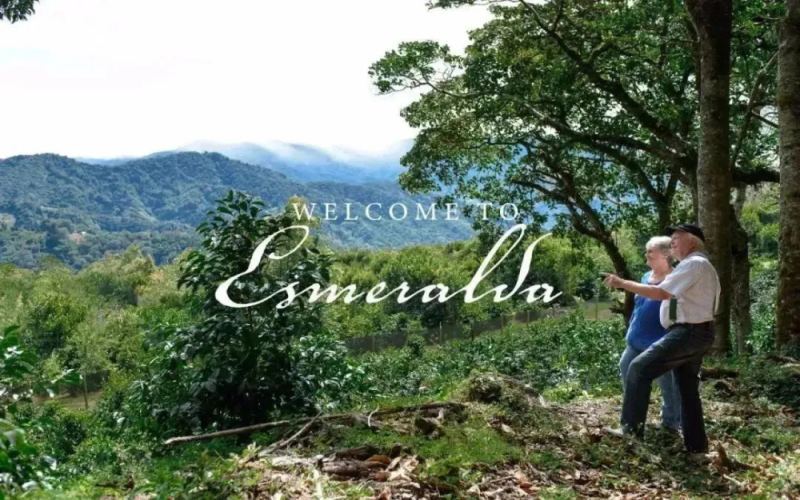
A Complete Guide to Hacienda La Esmeralda Geisha Grades: Why Was Blue Label Geisha 1500 Discontinued? What's the Difference Between Red, Green, and Black Labels?
Hacienda La Esmeralda in Panama, with its unique vision, discovered the potential of the Geisha variety, and through the Best of Panama (BOP) competition, made Geisha an overnight sensation. Since then, the Geisha produced by Hacienda La Esmeralda has remained a hot topic in the coffee world, with terms such as Red Label, Green Label, and Blue Label (Geisha 1500) frequently appearing. However, in recent years, "Geisha 1500" has gradually faded from view—why did it disappear? How many grading systems does Hacienda La Esmeralda currently have? This article will start with the layout of the estates under Hacienda La Esmeralda, systematically explain the grading logic and traceability rules of brands such as Red Label, Green Label, Black Label, and Diamond Mountain, and clarify the ins and outs of the discontinuation of Blue Label Geisha, helping coffee enthusiasts understand the full picture of Hacienda La Esmeralda's Geisha product line. [more…]
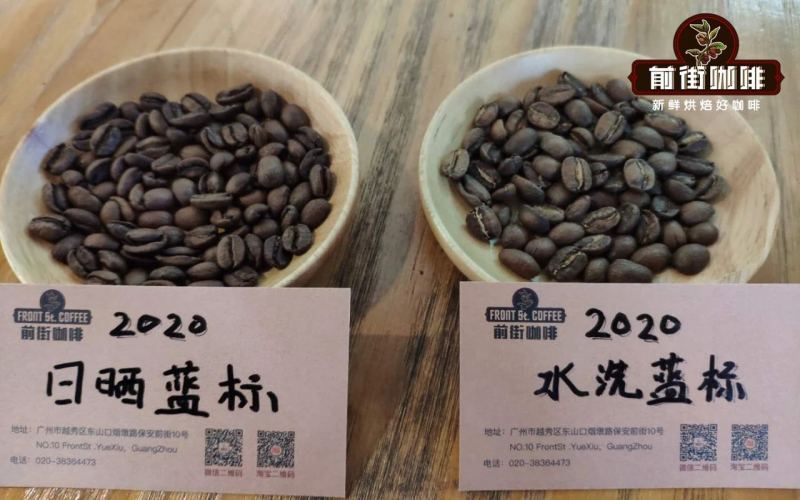
Unmasking the True Identity of Geisha 1500 and Emerald Estate Blue Label Geisha Volcanic Rock Coffee Beans
What exactly does Geisha 1500 refer to? And what is its relationship with Hacienda La Esmeralda's Blue Label Geisha? In 2020, Hacienda La Esmeralda added a natural process to its Blue Label series, which briefly made enthusiasts cheer for the arrival of an era of affordable Geisha; however, in 2021 the estate officially announced only the Red Label and Green Label, and the Blue Label seemingly disappeared, sparking much speculation. It was not until late September of the same year that a batch of Panamanian Geisha named Las Rocas appeared, and according to Front Street Coffee, it was in fact the reincarnation of Hacienda La Esmeralda's Blue Label batch. This article will sort out the classification standards and flavor differences of Hacienda La Esmeralda's Red Label, Green Label, and Blue Label, and reveal the truth behind the Blue Label's makeover, while also introducing the Esmeralda Red Label and Green Label Geisha that Front Street Coffee has supplied year-round, making it easier for readers to make a purchase. [more…]
Why is Geisha coffee beans so expensive? Understand the price of Geisha coffee beans.
Geisha has made a big splash in recent years, and under the pursuit of enthusiasts, its price seems to be creating a historical high every year. With this kind of information, exactly what price should the Geisha coffee beans you buy reach before it [more…]
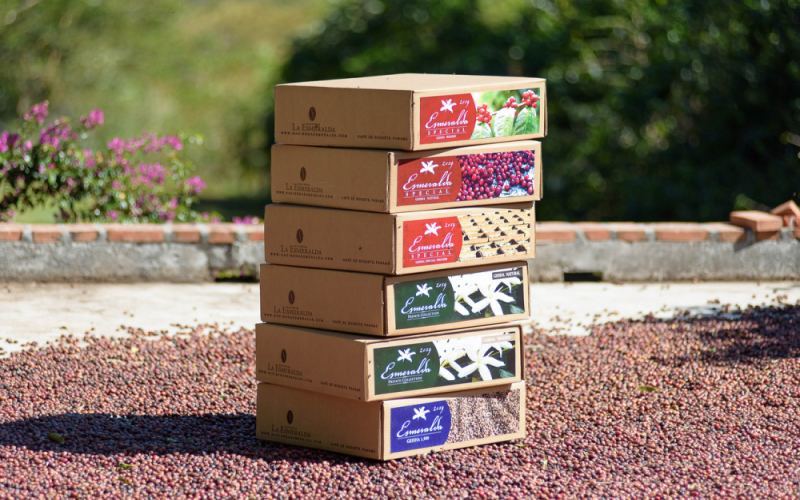
The Geisha Journey of Panama's Hacienda La Esmeralda: From Windbreak to the Detailed Grading of Red, Green, and Blue Labels
Hacienda La Esmeralda in Panama is the legendary birthplace of Geisha coffee, but its starting point was not Geisha. From the Peterson family's purchase of the estate in 1964, to the division of brands in 1973, and then to Geisha's spectacular debut in 2004, Hacienda La Esmeralda walked a path of discovery and grading. This article will outline the plot distribution of Hacienda La Esmeralda and the discovery journey of Geisha, and provide a detailed interpretation of the definitions, production areas, altitudes, and flavor differences of the three grades—Red Label, Green Label, and Blue Label—while also introducing the corresponding product information from Front Street Coffee, taking you through a comprehensive understanding of Hacienda La Esmeralda's Geisha grading system. [more…]
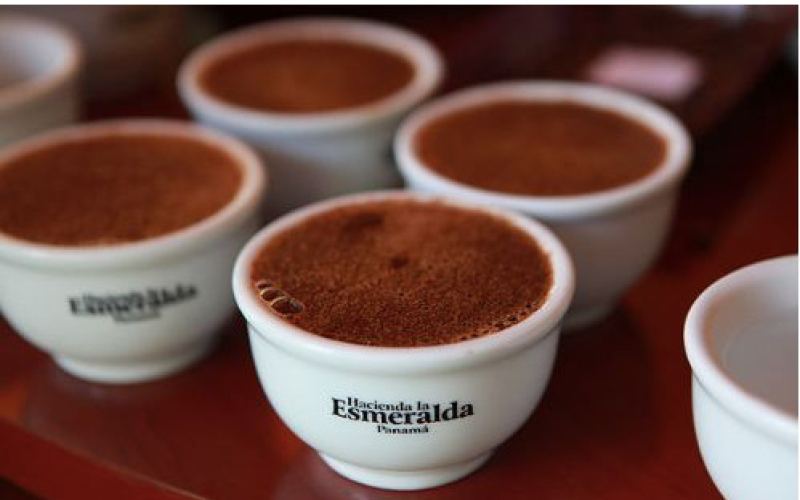
The Panama Geisha Coffee Legend and Pour-Over Guide: Hacienda La Esmeralda Grading, Boquete Volcán Region Flavor Comparison, and Front Street Coffee Bean List
Panama Geisha coffee rose to fame after Hacienda La Esmeralda won the Best of Panama (BOP) competition in 2004, and its intense floral and fruity aromas and highly sweet, layered profile have become the benchmark for specialty coffee. For this reason, Front Street Coffee has listed a number of Panamanian Geisha coffee beans, each of which has undergone producing-region research, roasting adjustments, and cupping evaluation, preserving the signature Geisha flavors while also showing individual character. This article will guide you through the origins of Panamanian coffee, the characteristics of core producing regions such as Boquete and Volcan, and in-depth details on famous estates including Hacienda La Esmeralda's Red Label, Green Label, and Blue Label, as well as Elida and Hartmann, along with flavor descriptions for Front Street Coffee's corresponding bean lineup, providing coffee lovers with a complete reference for tasting and purchasing Panamanian Geisha. [more…]
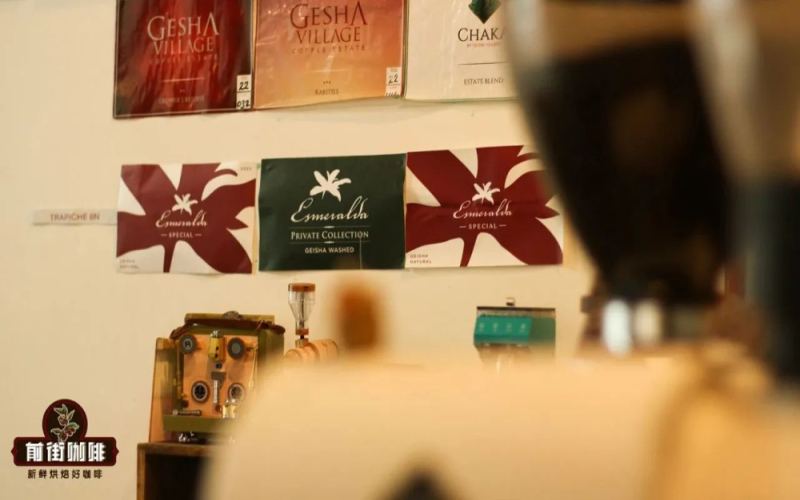
A Complete Guide to Panamanian Coffee Flavors: Geisha Pour-Over Parameters and a Comparison Guide to Front Street's Geisha Beans from Various Estates
Panama coffee is world-famous for the Geisha variety, and its elegant floral and fruity aromas with citrus notes are highly sought after. This article systematically reviews the regional characteristics of Panamanian coffee—from Boquete and Volcán to Renacimiento—and explains in detail the grade classifications and plot differences of Hacienda La Esmeralda's Red Label, Green Label, and Blue Label Geisha; it also introduces the flavor profiles of Front Street selected Panamanian coffee beans such as Butterfly, Elida, and Hartmann, and includes the complete parameters for Front Street Geisha pour-over and the three-stage extraction steps, taking you from origin to cup for a comprehensive understanding of the charm of Panamanian Geisha. [more…]
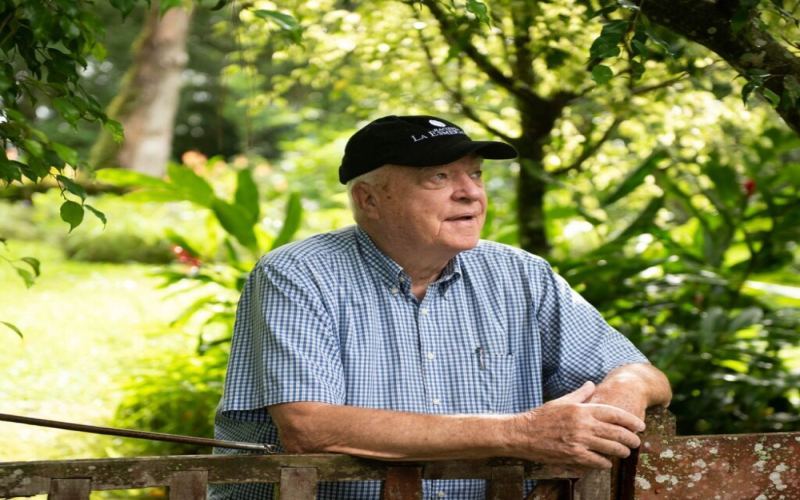
A Guide to Panama's Hacienda La Esmeralda Geisha Grades: A Full Breakdown of Blue, Green, and Red Labels and Plot Differences
Hacienda La Esmeralda in Panama is the starting point of Geisha coffee's journey to the world, and the most representative brand in the Geisha flavor experience. Faced with the Blue Label, Green Label, Red Label, and auction lots, many coffee lovers inevitably get confused: what exactly do these labels represent? And how do they relate to the different farms and plots within the estate? Front Street Coffee will guide you through the estate's farm distribution, plot divisions, and the evolution of its grading system, clarifying the differences between the Blue Label, Green Label, Red Label, and auction lots, and helping you make clearer judgments when purchasing Geisha. [more…]
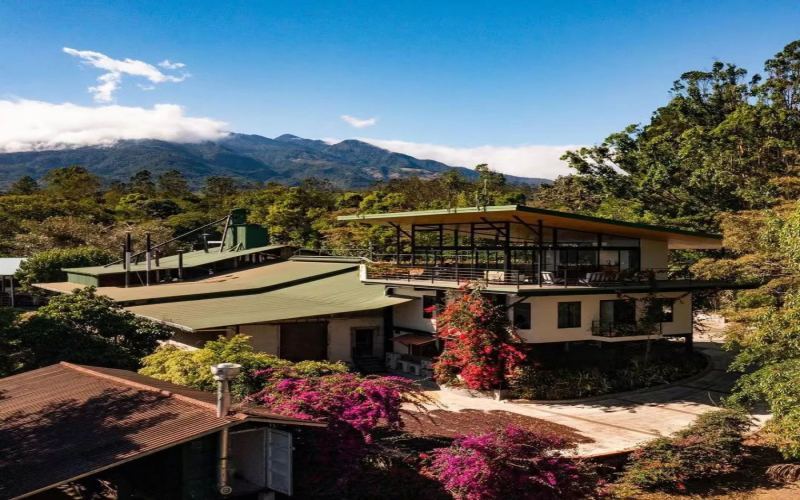
Panama Hacienda La Esmeralda vs. Ethiopia Gesha Village: Analysis of Red Label Geisha Coffee Bean Grading and Flavor Profile Comparison
Geisha coffee is undoubtedly one of the most sought-after varieties in today's specialty coffee world. It originated in the primitive forests of Ethiopia, yet rose to prominence at Hacienda La Esmeralda in Panama. As the specialty coffee market continues to expand, estates dedicated to growing Geisha have also emerged in Ethiopia itself, among which Gesha Village is particularly notable. In this article, Front Street Coffee will systematically trace the varietal origins of Geisha, provide a detailed interpretation of Hacienda La Esmeralda's three major grading standards—Red Label, Green Label, and Blue Label—and take an in-depth look at Gesha Village's auction, Gold Label, Red Label, Green Label, and Chaka lot systems, along with the region, altitude, variety, processing method, and flavor descriptions for each grade of Geisha coffee beans, helping coffee enthusiasts gain a comprehensive understanding of the stylistic differences among Geisha from different origins and key points for purchasing. [more…]
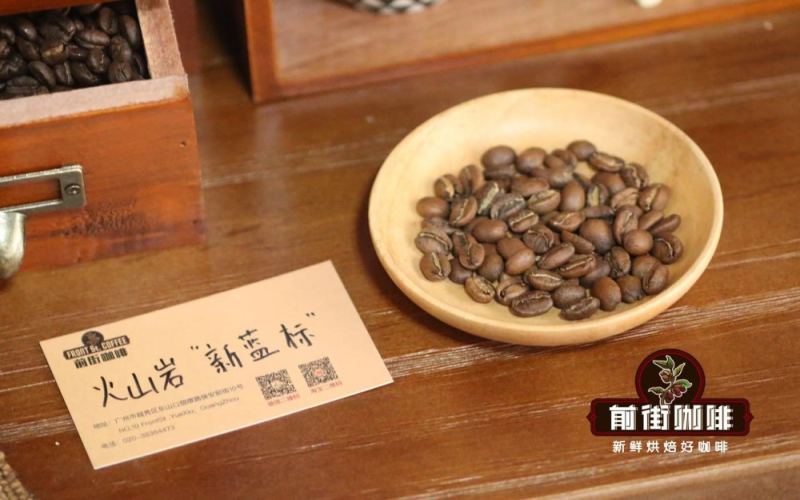
A Complete Guide to Hacienda La Esmeralda Blue Label Geisha: From Estate Grades to Brewing Methods and Flavor Profile
Panama's Hacienda La Esmeralda Geisha has long been the benchmark in the specialty coffee world, and its product line is divided into different grades such as Red Label, Green Label, and Blue Label based on cup quality performance and growing plots. Blue Label Geisha, or Geisha 1500, was once the entry-level choice for many coffee enthusiasts getting their first taste of Hacienda La Esmeralda Geisha. Although the estate has now discontinued this label, understanding its characteristics and history is still worthwhile. This article will walk you through the origin information and grading logic of Blue Label Geisha, compare the differences between Red Label and Green Label, and recommend several Panama Geisha products currently sold by Front Street Coffee, including the Boquete Geisha that is suitable for beginners. Whether you are a seasoned connoisseur or a newcomer to specialty coffee, you will find practical reference information here. [more…]
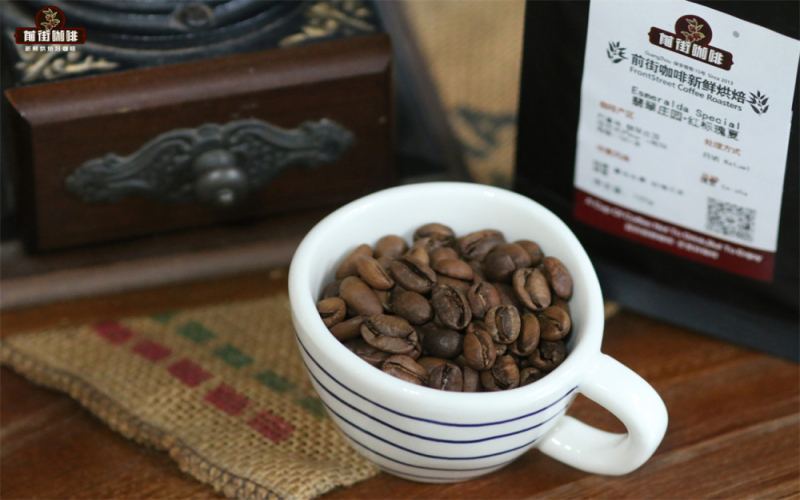
Analysis of the Grading Standards and Flavor Comparison of Panama Hacienda La Esmeralda Geisha Red, Green, and Blue Labels
Panama's Hacienda La Esmeralda Geisha coffee has been highly sought after in the specialty coffee world in recent years, but many coffee enthusiasts are confused when faced with its three grades: Red Label, Green Label, and Blue Label. What exactly do these three labels represent? What are the differences among them in altitude, plot, processing method, and flavor? This article starts with the history of Hacienda La Esmeralda and provides a detailed breakdown of the grading standards for Red Label (Esmeralda Special), Green Label (Private Collection), and Blue Label (Geisha 1500), along with their corresponding production plots and cupping performance. Combined with Front Street Coffee's brewing recommendations and flavor descriptions, it helps readers make a suitable choice based on their own needs. [more…]
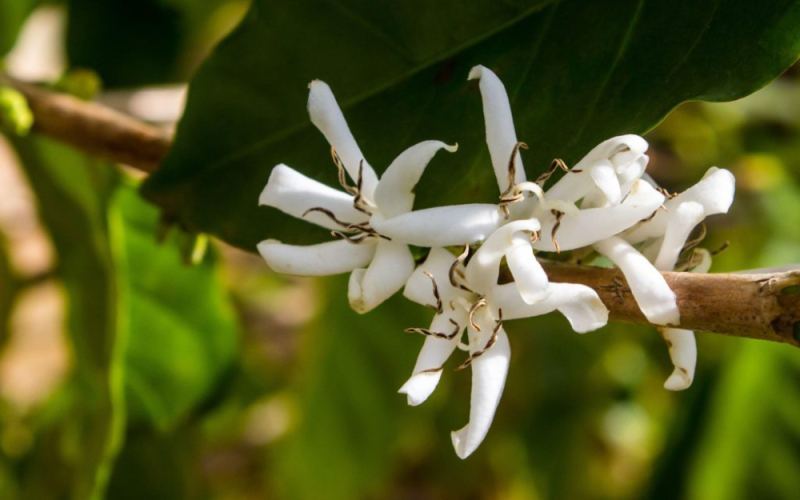
A Complete Global Guide to Geisha Coffee Origins: A Flavor Journey from Hacienda La Esmeralda in Panama to Hope Estate in Colombia
Geisha coffee is hailed as the most outstanding coffee variety of our time. From the pristine forests of Ethiopia to the world stage, it rose to fame at Hacienda La Esmeralda in Panama. Today, many coffee-producing countries have begun cultivating Geisha, but the terroir of different origins gives it strikingly different personalities. This article takes you deep into the origins and spread of Geisha, offers a detailed analysis of the characteristics and differences among Hacienda La Esmeralda's three tiers—Red Label, Green Label, and Blue Label—and steps into Colombia's Finca La Esperanza to explore this classic origin hailed as the closest to Hacienda La Esmeralda's Geisha. Front Street Coffee also brings you brewing suggestions and roasting analyses for a range of Geisha coffees, helping you fully appreciate the floral and fruity aromas and rich layers of Geisha coffee. [more…]
A Detailed Guide to Hacienda La Esmeralda Geisha Grades: Red, Green, and Blue Label Differences and Front Street Coffee Recommendations for Each Grade
Panama's Hacienda La Esmeralda Geisha coffee has always been the focus of the specialty coffee world, and its three grades—Red Label, Green Label, and Blue Label—each have their own distinctions. This article systematically sorts out Hacienda La Esmeralda's coffee grading system, analyzing in detail the specific differences between Red Label (Esmeralda Special), Green Label (Private Collection), and Blue Label (Geisha 1500, now discontinued) in terms of altitude, plot, processing method, and flavor. It also introduces the corresponding Red Label and Green Label product information from Front Street Coffee, and recommends an entry-level Front Street Coffee Boquete Geisha for beginners who are just getting to know Geisha. Whether you want to gain a deeper understanding of Hacienda La Esmeralda's marketing strategy and auction mechanism, or are looking for a Geisha coffee that suits your taste, this article can provide a clear reference. [more…]
The Grading System of Panama Geisha Coffee: A Full Analysis of the Origins and Flavors of Red Label, Green Label, and Blue Label
Geisha coffee is known as the "ceiling of the coffee world," and its elegant white floral aromas and bright citrus-honey sweetness have captivated countless coffee lovers. However, when faced with Hacienda La Esmeralda's three brands—Red Label, Green Label, and Blue Label—many people feel confused: What exactly are the differences between them? This article will begin with the historical origins of Geisha, tracing the legendary journey of this variety from Ethiopia's wild forests to Panama's Hacienda La Esmeralda, and will analyze one by one the grading standards, producing plots, and flavor characteristics of Hacienda La Esmeralda's three major Geisha brands. At the same time, Front Street Coffee will also share product information on two popular Geisha coffees in-store, Red Label and Green Label, to help everyone have a clearer reference when making everyday purchases. [more…]
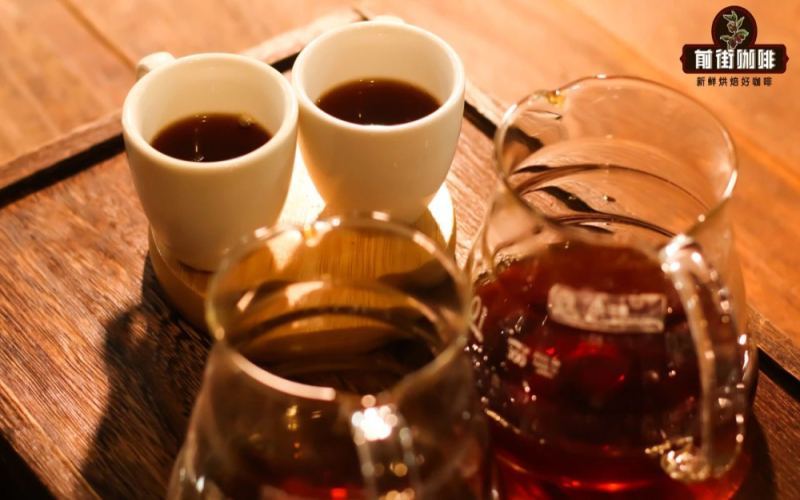
A Detailed Guide to the Flavor Characteristics and Pour-Over Techniques of Panama Geisha Coffee: From Hacienda La Esmeralda Grading to Green Label Washed vs. Natural Comparison
Geisha coffee has become the most sought-after variety in the specialty coffee world in recent years, and Panama's Hacienda La Esmeralda is the key force that propelled this variety to legendary status. Starting from observations at Front Street Coffee's stores, this article traces Geisha's spread from the forests of Ethiopia to Panama, explains Panama's three core producing regions and Hacienda La Esmeralda's three major plots, and breaks down one by one the flavor positioning and grading logic of the three tiers: Red Label, Green Label, and Blue Label. At the same time, Front Street will also conduct a comparative brewing of the washed and natural versions of Green Label Geisha, providing specific V60 pour-over parameters and flavor descriptions to help coffee enthusiasts understand Geisha's charm more systematically. [more…]
Panama Red Label Geisha and Colombia Hacienda La Esperanza Geisha: A Comprehensive Analysis of Origin Estates, Grade Classification, and Pour-Over Brewing
Geisha coffee is widely recognized as the most exceptional coffee variety in terms of flavor today, but the quality of Geisha produced in different regions and on different estates varies significantly. This article will systematically trace the journey of Geisha from the forests of Ethiopia to the world, focusing on the grading system and flavor characteristics of Panama Hacienda La Esmeralda's Red Label, Green Label, and Blue Label, and extending to the Geisha performance of Colombia's Finca La Esperanza. At the same time, drawing on Front Street Coffee's practical brewing experience, it offers brewing parameters and technique suggestions for different Geishas, helping coffee enthusiasts gain a more comprehensive understanding of this variety's origin logic and key tasting points. [more…]
Geisha Coffee Beans from Ethiopia to Panama: A Complete Analysis of Variety Origins and the Flavor Differences Between Natural and Washed Processing
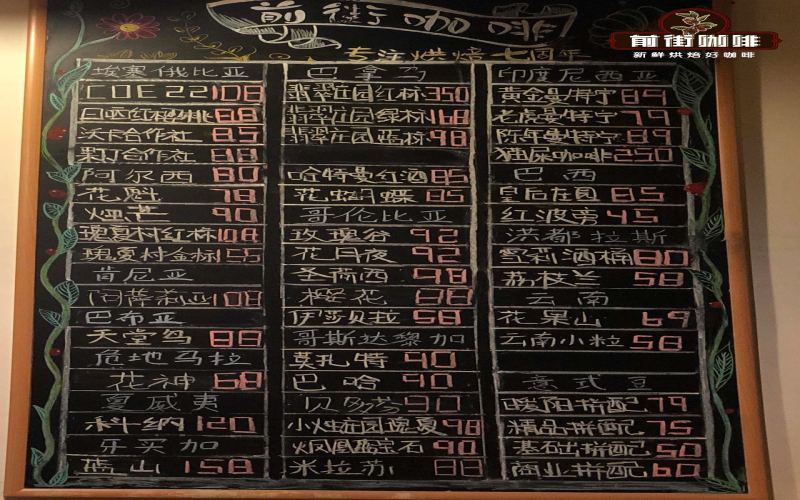
Geisha coffee has now become a top-tier star in the specialty coffee world, but did you know it did not originally come from Panama? From its discovery in Ethiopia's Geisha forests in 1931, through Kenya, Uganda, and Costa Rica, and finally to its spectacular rise at Hacienda La Esmeralda in Panama, Geisha's legendary journey spans more than half a century. Front Street Coffee stores regularly offer Red Label and Green Label Geisha from Panama's Hacienda La Esmeralda, priced from 60 yuan to 75 yuan, and one of the questions customers ask most often is what exactly is the difference between the natural and washed processing methods. This article will comprehensively trace the history of Geisha's varietal migration, explain in detail the microclimatic conditions of Panama's Boquete producing region and Hacienda La Esmeralda's three major plots, and compare the grading standards and flavor characteristics of Red Label, Green Label, and Blue Label. Finally, through actual pour-over brewing, it will present the specific differences in taste between washed Green Label and natural Green Label. [more…]
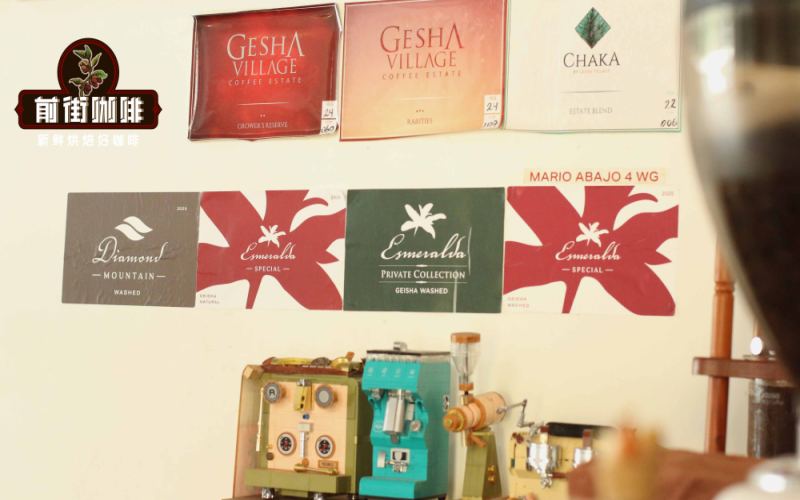
A Detailed Guide to Geisha Coffee Brand Grading: A Comprehensive Analysis of Hacienda La Esmeralda's Red, Green, and Blue Labels—Their Characteristics, Flavors, and Roasting Key Points
Geisha coffee, with its unique floral and fruity aroma and clean taste, has become a star variety in the specialty coffee world. This article systematically sorts out the main brand grades of Geisha coffee, focusing on the analysis of the red, green, and blue label grading system of Panama's Hacienda Esmeralda and its flavor differences, and introduces the representative estates of the two major producing regions, Boquete and Volcan, as well as the various Geisha and Panama specialty beans sold by Front Street Coffee. At the same time, the article also covers the differences between washed and natural processing, roasting approaches, and the producing region, altitude, variety, and flavor description of each coffee, taking you through a comprehensive understanding of the tricks behind "the taste of money." [more…]

Guatemala Incht and Panama Hacienda La Esmeralda: Flavor Comparison of Pacamara and Geisha Across Three Grades
Guatemala's El Injerto Estate and Panama's Hacienda La Esmeralda represent two peaks of specialty coffee in Central America. El Injerto has repeatedly set record auction prices with its Pacamara variety, while Hacienda La Esmeralda defines top-tier flavor through its Geisha Red, Green, and Blue Label systems. In this article, Front Street Coffee provides a complete analysis of the coffee style differences between these two estates—from estate background, geographical environment, and variety characteristics to processing and brewing recommendations—helping enthusiasts understand the rich fruity sweetness of Pacamara and the bright floral-citrus character of Geisha. [more…]
Exploring Hacienda Hartmann in Panama: A Century of Family Heritage and an Analysis of Boquete Geisha Flavors
Hartmann Estate is a century-old family coffee estate in the Boquete region of Panama, and its legendary story and exceptional quality have drawn great attention from coffee lovers. The estate is located in the city of Chiriquí, in the province of Chiriquí, Santa Clara, right next to Barú Volcano, the highest in Central America, at an elevation of up to 3,300 meters. From founder Alois Stras Hartmann to the current fifth-generation family members, the estate has always adhered to scientific cupping and meticulous management. This article will introduce you to the historical origins and processing methods of Hartmann Estate, and provide a detailed analysis of the flavor characteristics of its Black Honey, Washed, Honey Process, and Wine Process coffees. At the same time, Front Street Coffee also recommends related high-quality green beans for you. [more…]
Why Is Geisha Coffee Called the Most Expensive Coffee Bean? A Full Analysis of Hacienda La Esmeralda Red, Green, and Blue Label Prices and Pour-Over Parameters
Geisha coffee has always been the unattainable dream in the hearts of coffee lovers; its elegant and refined flavors have captivated even the most seasoned connoisseurs who favor the rich, full-bodied taste of Mandheling. Just what makes this high-quality coffee so expensive? How much does a cup of pour-over Geisha cost? Front Street Coffee's Emerald Red Label Geisha freshly ground pour-over is priced at 75 yuan, while the Green Label is 60 yuan. This article will systematically sort out the varietal origins of Geisha, the Red-Green-Blue label grading system of Panama's Emerald Estate, the growing environment of Debora Estate, and the flavor characteristics and brewing suggestions for each grade of Geisha, helping readers gain a comprehensive understanding of where the value of this precious variety lies. [more…]